 Christian Wells
Mealie (Recipe Manager) on Debian 12
Mealie is a modern, open-source self-hosted recipe manager and meal-planning platform built to help you organize recipes, plan meals, generate shopping lists, and collaborate with family or teams. It supports recipe imports from popular websites, Markdown-based editing, nutrition calculations, and multi-user access, making it a powerful alternative to cloud-based cooking and meal-planning apps.
Unlike SaaS recipe platforms, Mealie keeps all your data on your own server. Recipes, images, meal plans, and user data never leave your infrastructure, which makes Mealie ideal for privacy-conscious users, families, and self-hosting enthusiasts.
Running Mealie on Debian 12 (Bookworm) provides a stable, secure, and long-term supported foundation. Debian 12 ships with systemd 252, OpenSSL 3, and mature Docker and Nginx packages, making it an excellent choice for deploying Mealie with Docker, PostgreSQL, Nginx, and HTTPS (SSL) in a production-ready setup.
Architecture Overview
| Layer | Component | Role |
|---|---|---|
| OS | Debian 12 (Bookworm) | Stable, production-grade Linux base |
| Container Runtime | Docker / Docker Compose | Runs Mealie and supporting services |
| Application | Mealie (Python + FastAPI) | Recipe management, meal planning, REST API |
| Database | PostgreSQL | Stores recipes, users, meal plans, metadata |
| Reverse Proxy | Nginx | HTTPS termination, routing, compression |
| TLS | Let’s Encrypt / PKI | Secure encrypted access to the web interface |
Mealie’s containerized design makes it easy to deploy, upgrade, migrate, and back up, even on small VPS or home servers.
Why Use Mealie?
- Self-hosted recipe manager – full ownership of your cooking data
- Recipe importers – save recipes directly from supported websites
- Meal planning & calendars – plan meals days or weeks in advance
- Automatic shopping lists – generated from your meal plans
- Multi-user support – ideal for families or shared kitchens
- Nutrition data & unit conversions – useful for diet tracking
- Clean, modern UI – responsive and mobile-friendly
- Open-source & actively developed – transparent and extensible
Mealie is designed for users who want organization, automation, and privacy in their kitchen workflow.
Mealie vs Other Recipe Platforms
| Feature / Capability | Mealie | Paprika | Yummly | Tandoor |
|---|---|---|---|---|
| Hosting | Self-hosted | App-based | Cloud only | Self-hosted |
| Meal planning | ✅ Yes | ✅ Yes | ❌ Limited | ✅ Yes |
| Shopping lists | ✅ Yes | ✅ Yes | ❌ Limited | ✅ Yes |
| Multi-user | ✅ Yes | ❌ No | ❌ No | ✅ Yes |
| Privacy | Full control | App-dependent | Cloud-based | Full control |
| Cost | Free, open-source | Paid app | Free / Paid | Free |
Mealie offers an excellent balance between ease of use, collaboration, and self-hosting.
Security & Best Practices on Debian 12
- Run Mealie behind Nginx with HTTPS enabled.
- Keep Mealie and PostgreSQL restricted to internal Docker networks.
- Store secrets (database passwords, JWT secrets) using environment variables.
- Use UFW or nftables and allow only ports 80 and 443.
- Automate SSL certificate renewal with Certbot.
- Regularly update Debian, Docker, and Mealie images.
- Back up:
- PostgreSQL database
- Mealie configuration
- Uploaded images and assets
- Create separate user accounts and restrict admin access.
- Disable public registration if Mealie is used privately.
Typical Use Cases
- Personal recipe collections – replace cloud cooking apps
- Family meal planning – shared recipes and shopping lists
- Home-lab lifestyle tools – private, self-hosted daily utilities
- Diet & nutrition tracking – structured meals and portions
- Content creators – manage large recipe libraries
- Small communities – collaborative cooking platforms
Deploying Mealie on Debian 12 with Docker and SSL gives you a secure, private, and feature-rich recipe management platform — combining modern meal-planning tools with full data ownership and Debian’s legendary stability.
Step 1: Create a Server Instance on Shape.Host
Before installing Mealie, you need a VPS.
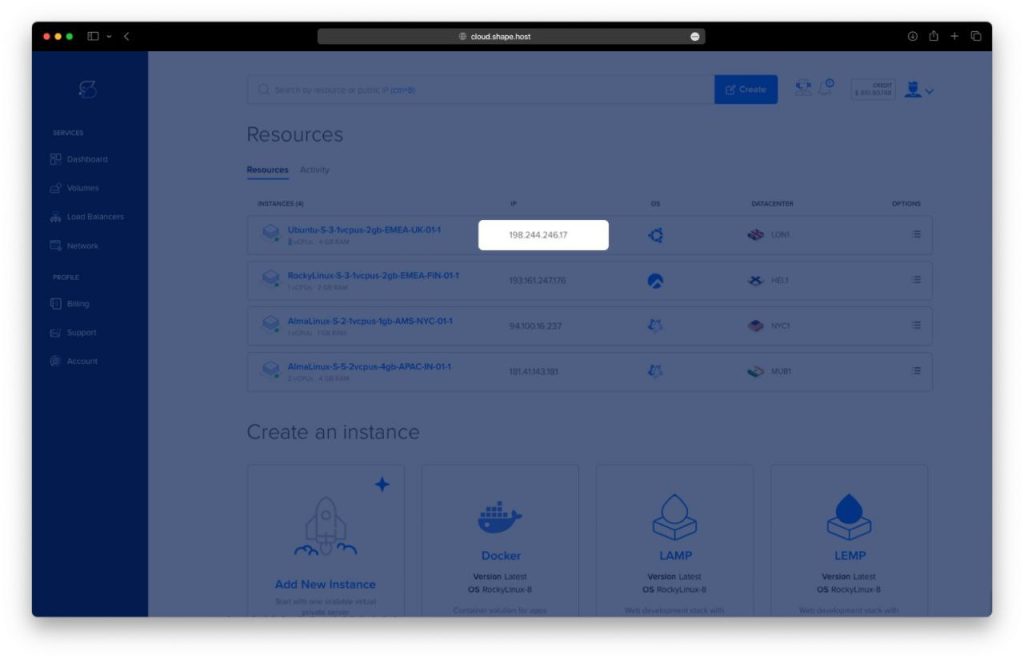
Log in to your Shape.Host account at https://shape.host.
Click Create from the dashboard and select Instance.
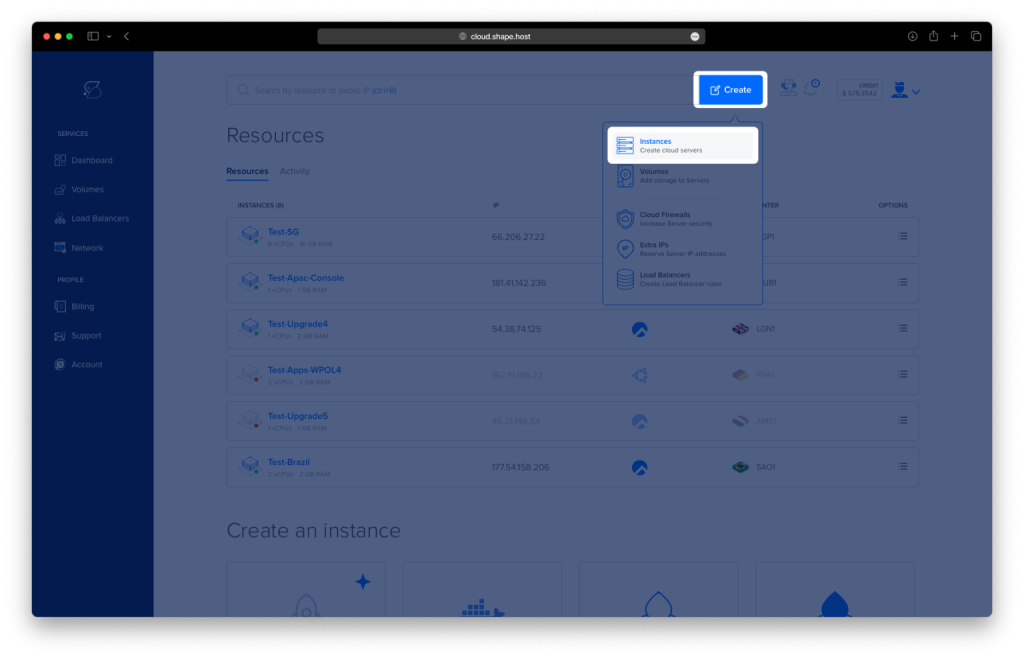
Choose a data center location close to your users.
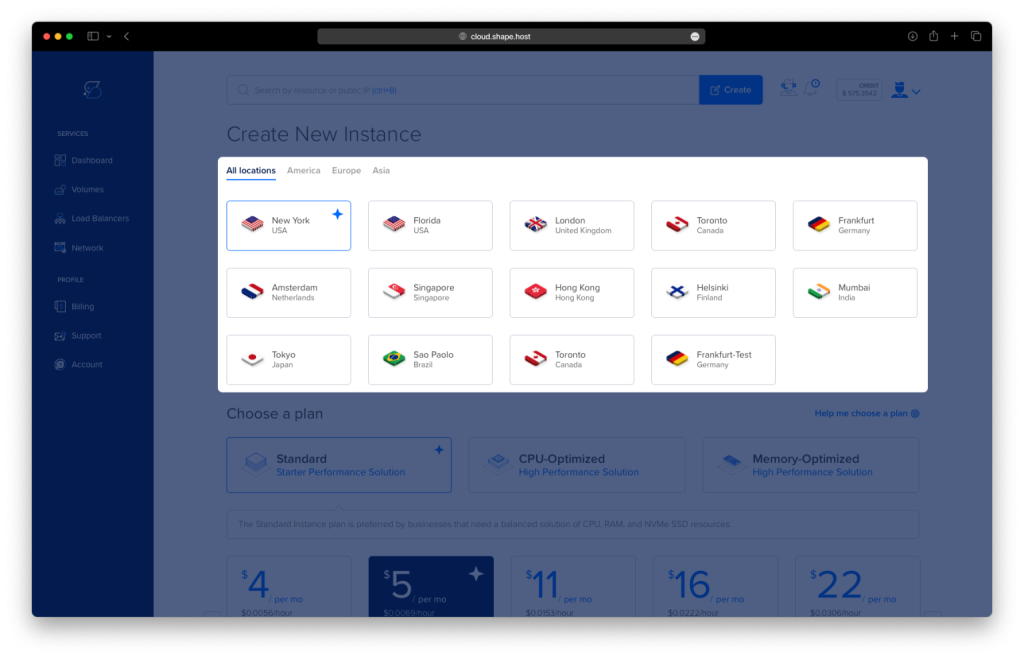
Select a VPS plan with at least:
2 CPU cores
4 GB RAM
30 GB SSD storage
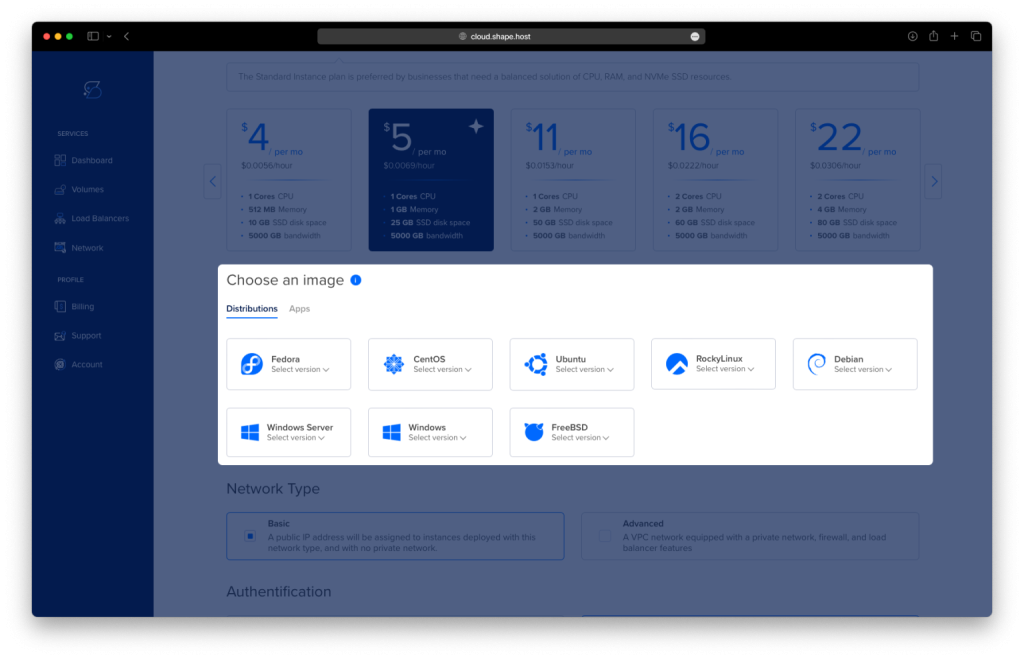
Choose Debian 12 (Bookworm) as the operating system.
Create the instance and wait for provisioning.
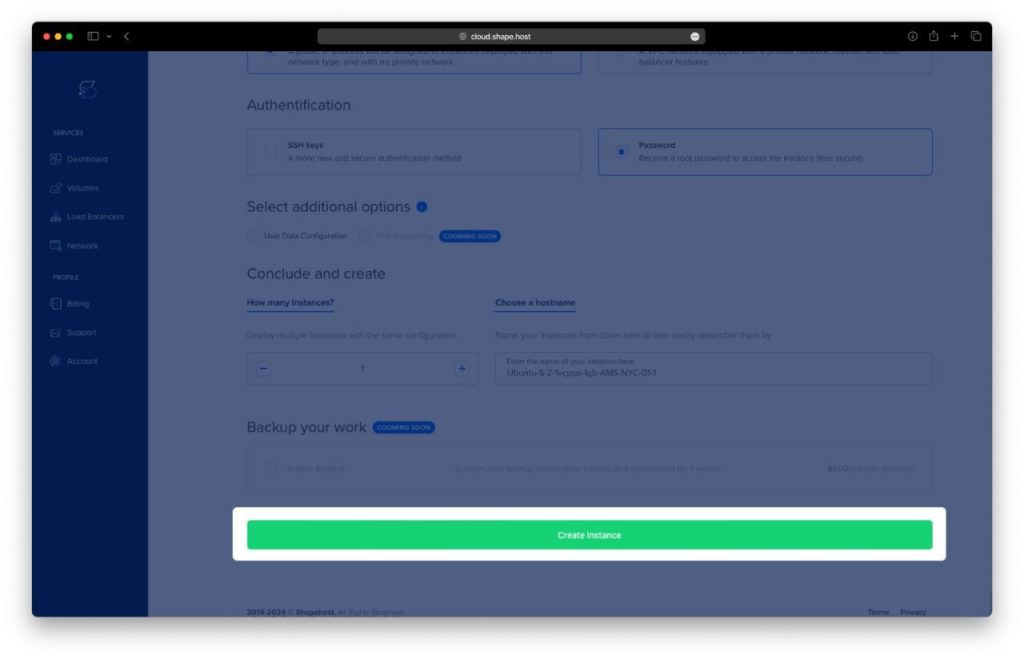
Copy the public IP address of the server.
This server will host Docker, Mealie, PostgreSQL, Nginx, and SSL.
Step 2: Connect to the Debian 12 Server
Linux / macOS
ssh root@YOUR_SERVER_IP
Windows
Use PowerShell, Windows Terminal, or PuTTY:
ssh root@YOUR_SERVER_IP
Once connected, you should be logged in as root.
Step 3: Install Mealie with Docker Compose
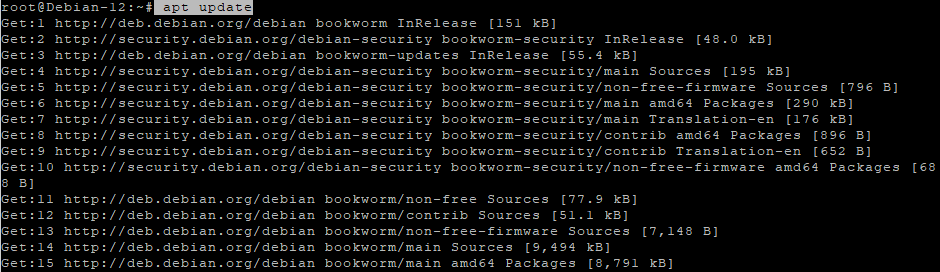
3.1 Update the System
apt update
Updates the package index.
apt upgrade -y
Upgrades all installed packages.
3.2 Install Required Dependencies
apt install ca-certificates curl gnupg lsb-release
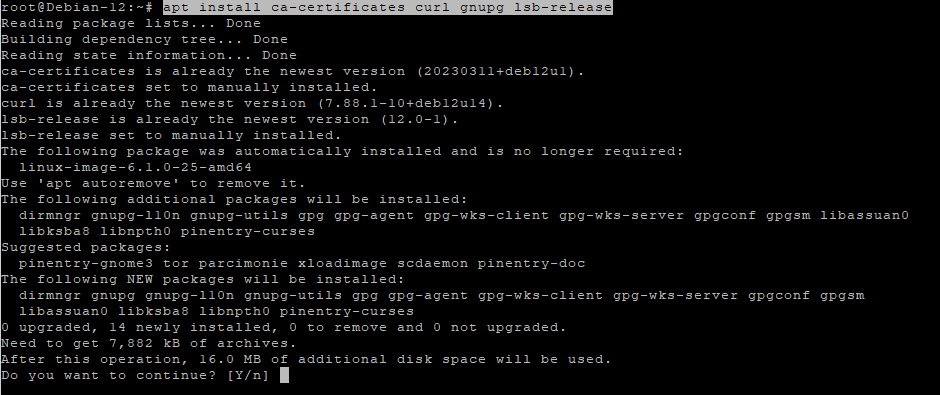
Installs tools required for secure repository management.
mkdir -p /etc/apt/keyrings
Creates a directory for trusted GPG keys.
3.3 Add Docker Repository
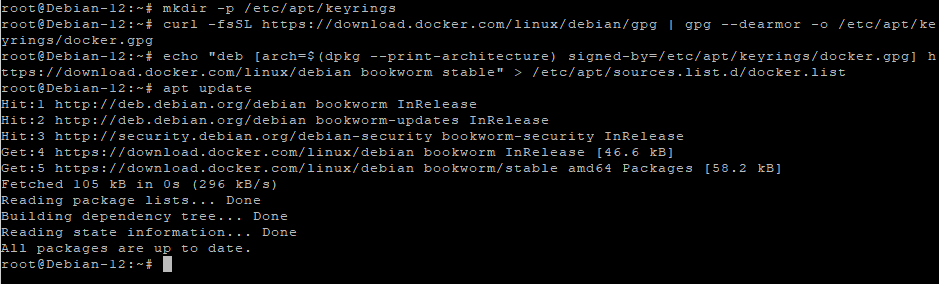
curl -fsSL https://download.docker.com/linux/debian/gpg | gpg --dearmor -o /etc/apt/keyrings/docker.gpg
Downloads and registers Docker’s GPG key.
echo "deb [arch=$(dpkg --print-architecture) signed-by=/etc/apt/keyrings/docker.gpg] https://download.docker.com/linux/debian bookworm stable" > /etc/apt/sources.list.d/docker.list
Adds the Docker repository for Debian 12.
apt update
Refreshes package lists.
3.4 Install Docker and Docker Compose
apt install docker-ce docker-ce-cli containerd.io docker-buildx-plugin docker-compose-plugin
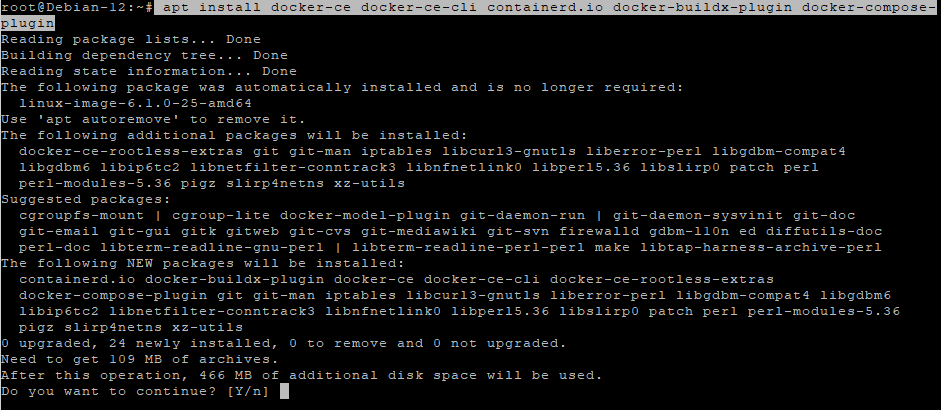
Installs Docker Engine and Docker Compose plugin.
docker --version
Verifies Docker installation.
docker compose version
Verifies Docker Compose availability.
Step 4: Configure Mealie
4.1 Create Project Directory
mkdir -p /opt/mealie
cd /opt/mealie

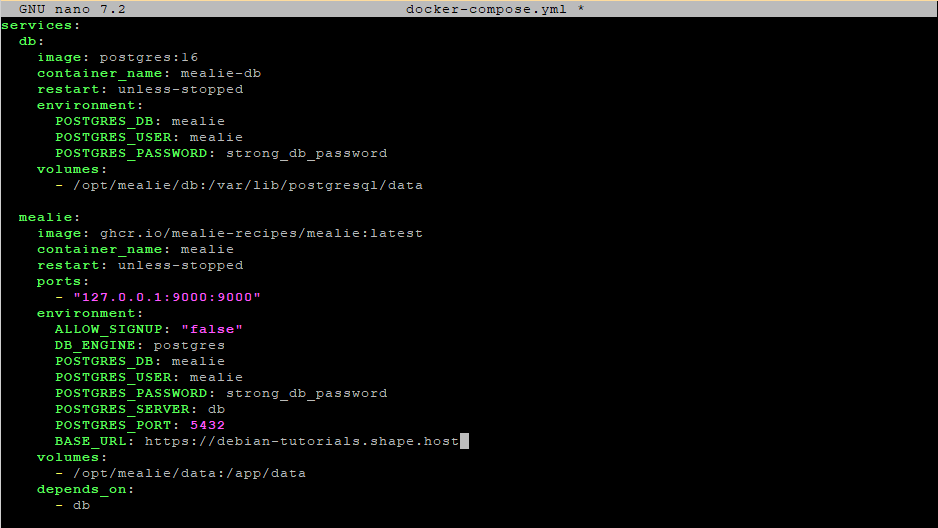
4.2 Create Docker Compose File
nano docker-compose.yml
Paste the following configuration:
services:
  db:
    image: postgres:16
    container_name: mealie-db
    restart: unless-stopped
    environment:
      POSTGRES_DB: mealie
      POSTGRES_USER: mealie
      POSTGRES_PASSWORD: strong_db_password
    volumes:
      - /opt/mealie/db:/var/lib/postgresql/data

  mealie:
    image: ghcr.io/mealie-recipes/mealie:latest
    container_name: mealie
    restart: unless-stopped
    ports:
      - "127.0.0.1:9000:9000"
    environment:
      ALLOW_SIGNUP: "false"
      DB_ENGINE: postgres
      POSTGRES_DB: mealie
      POSTGRES_USER: mealie
      POSTGRES_PASSWORD: strong_db_password
      POSTGRES_SERVER: db
      POSTGRES_PORT: 5432
      BASE_URL: https://mealie.example.com
    volumes:
      - /opt/mealie/data:/app/data
    depends_on:
      - db
This setup:
- Uses PostgreSQL 16 as the database backend
- Restricts Mealie access to localhost
- Prepares the app for reverse proxy and HTTPS
4.3 Create Persistent Storage Directories
mkdir -p /opt/mealie/db
mkdir -p /opt/mealie/data

4.4 Start Mealie
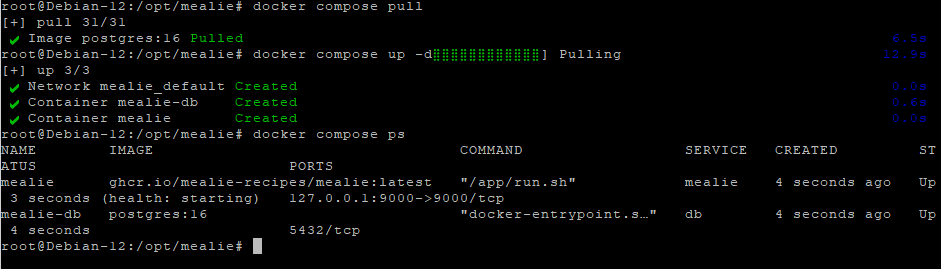
docker compose pull
Pulls the latest Mealie and PostgreSQL images.
docker compose up -d
Starts the containers in detached mode.
docker compose ps
Confirms that the containers are running.
Step 5: Configure Nginx Reverse Proxy
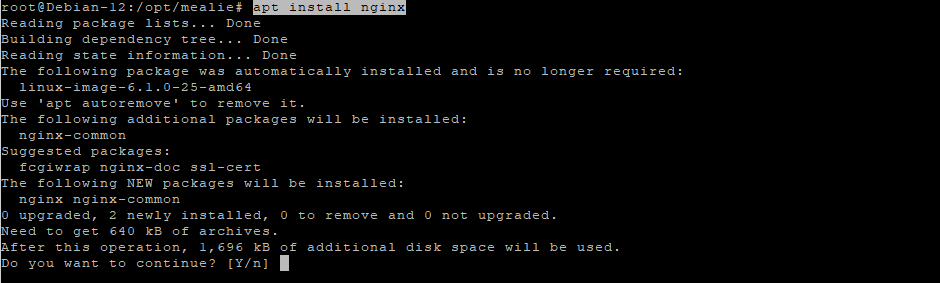
5.1 Install and Check Nginx
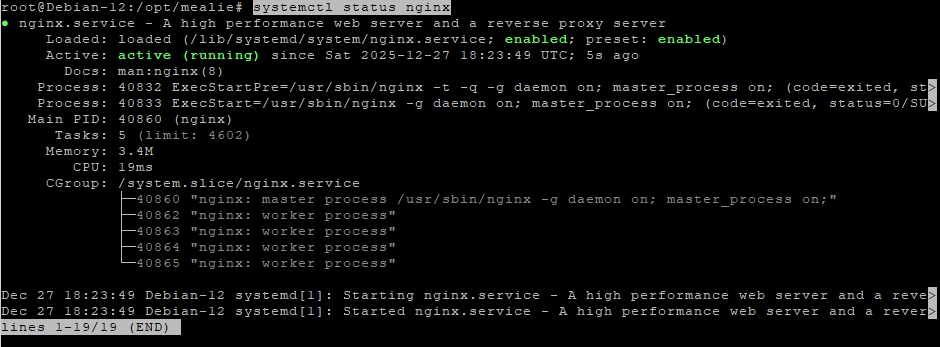
apt install nginx
systemctl status nginx
5.2 Create Nginx Virtual Host
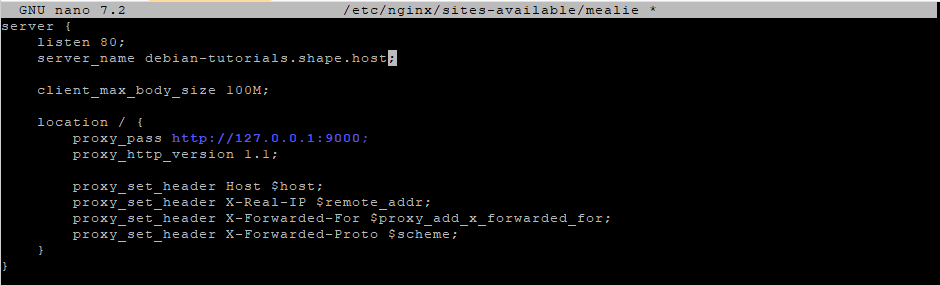
nano /etc/nginx/sites-available/mealie
Paste:
server {
    listen 80;
    server_name mealie.example.com;

    client_max_body_size 100M;

    location / {
        proxy_pass http://127.0.0.1:9000;
        proxy_http_version 1.1;

        proxy_set_header Host $host;
        proxy_set_header X-Real-IP $remote_addr;
        proxy_set_header X-Forwarded-For $proxy_add_x_forwarded_for;
        proxy_set_header X-Forwarded-Proto $scheme;
    }
}
5.3 Enable the Site
ln -s /etc/nginx/sites-available/mealie /etc/nginx/sites-enabled/
rm /etc/nginx/sites-enabled/default
nginx -t
systemctl reload nginx

Step 6: Enable SSL with Let’s Encrypt
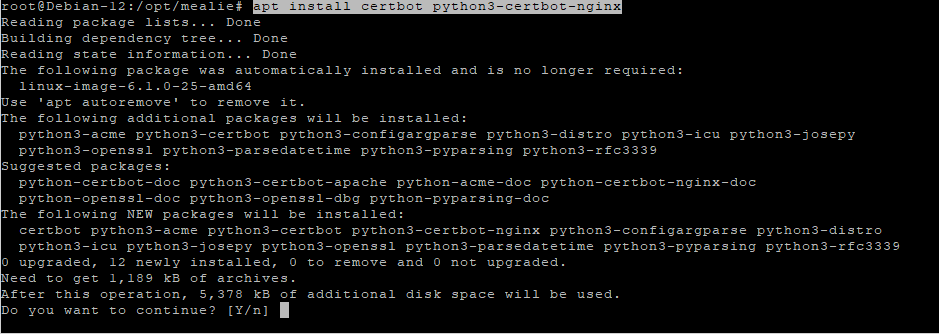
apt install certbot python3-certbot-nginx
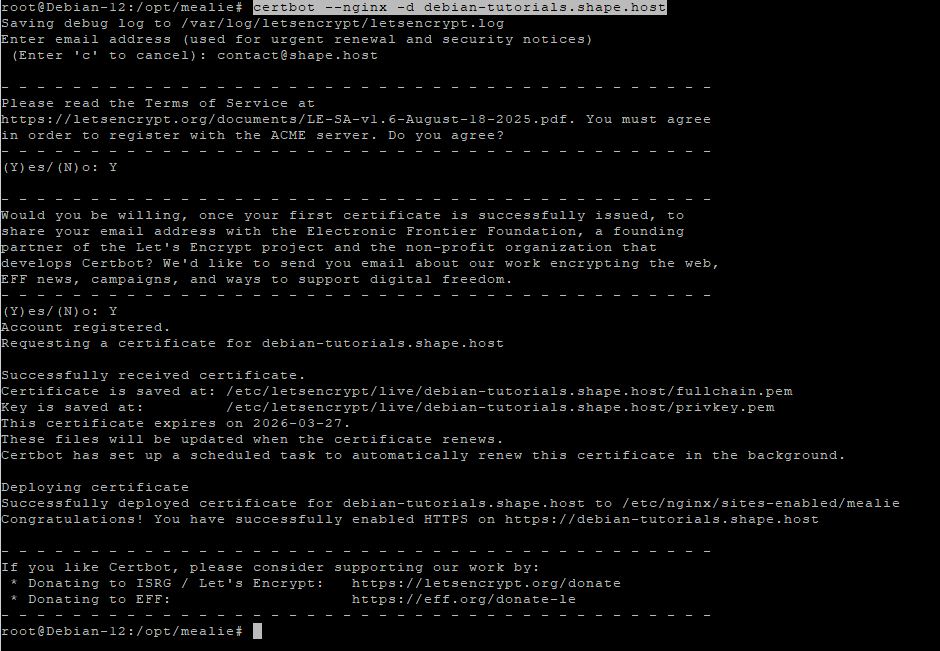
certbot --nginx -d debian-tutorials.shape.host
Replace with your actual domain if needed:
yourdomain.com
Certbot will automatically:
- Issue an SSL certificate
- Configure Nginx for HTTPS
- Enable automatic certificate renewal
Step 7: Verify the Installation
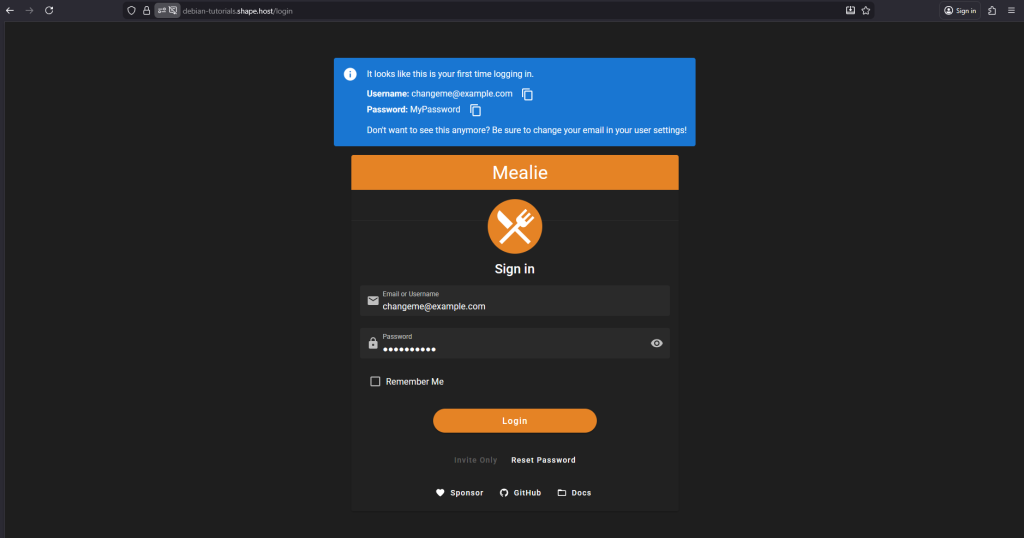
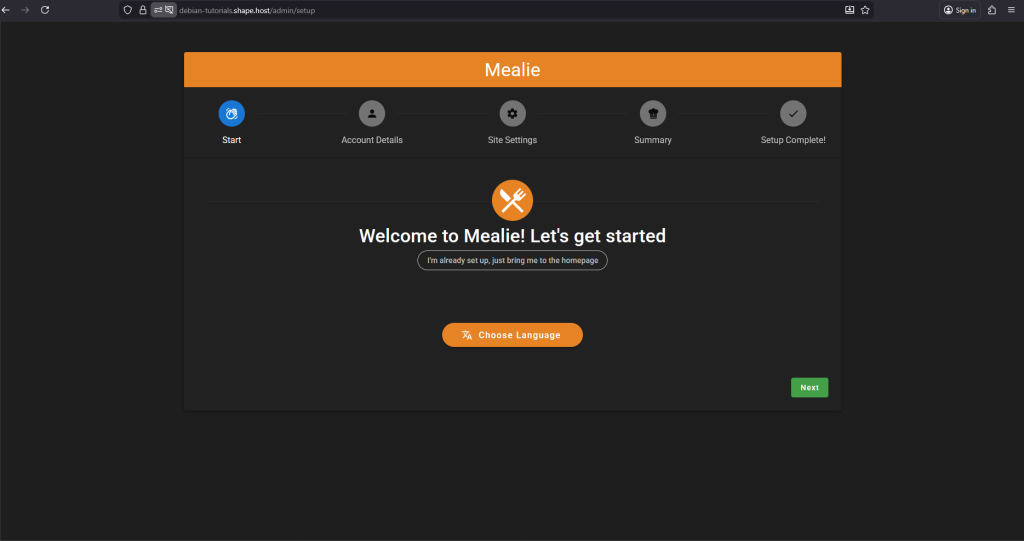
Open your browser: https://mealie.example.com
Check container status:
docker compose ps
- Verify Nginx:
systemctl status nginx
If Mealie loads correctly over HTTPS, the installation is complete.
You installed Mealie on Debian 12 using Docker Compose, connected it to a PostgreSQL database, exposed it via Nginx, and secured it with Let’s Encrypt SSL. This setup is robust, secure, and ideal for personal or family recipe management.
For hosting self-hosted applications like Mealie with excellent performance, scalability, and full root access, Shape.Host Cloud VPS is a reliable choice for modern server workloads.
